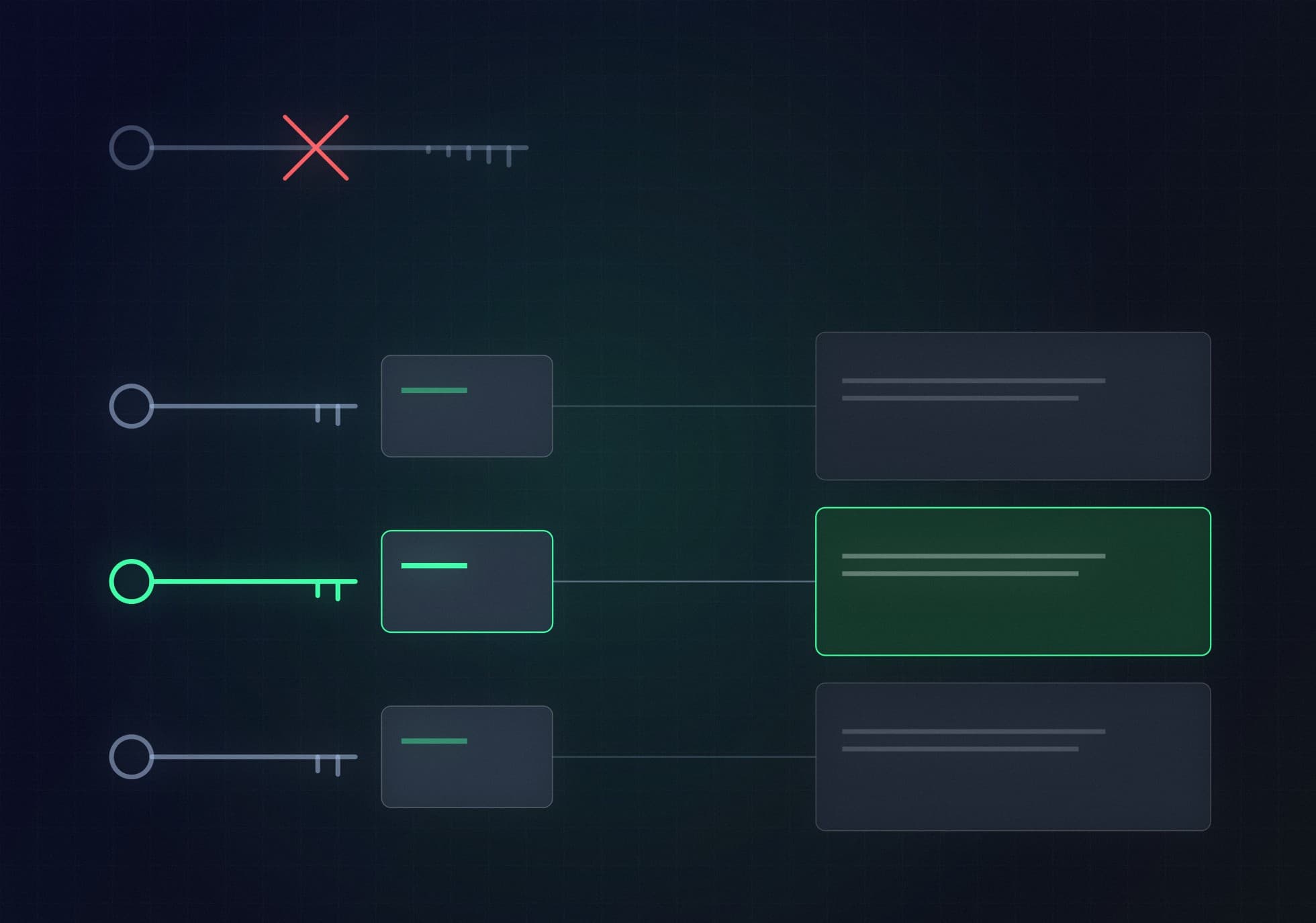
Once an agent stops answering and starts acting, the question is no longer what it knows but what permissions it holds. How to treat every agent as an identity with its own scope and a named human owner.
Data Pipeline Governance Architecture: Automating Metadata in Multi-Cloud Environments How to stop governance from depending on someone filling in a field by hand Quick Answer Metadata automation in data pipelines means capturing lineage,…
Beyond the Traditional Maturity Model: How to Structure Operational, Agile Data Governance Why your governance framework shouldn’t take longer to define than to deliver its first result Quick Answer Operational data governance is a model…
Why Owning Your Code Matters Why Owning Your Code May Be the Best Long-Term Strategy Quick answer: Technical sovereignty is the capacity of an organization to understand, operate, modify, and evolve its own data and AI systems without…
Who Need to Choose Wisely Technical Comparison of Current Stacks Summary: Choosing data governance tools is not about picking the platform with the most features, it’s about identifying which problem the organization needs to solve first:…
Why Is Governance the Bottleneck of Generative AI? Analysis of the need for clean data for LLM models Summary: Data governance is one of the main bottlenecks of enterprise generative AI because LLM models cannot distinguish on their own…
Read More
We use our own cookies that are needed for the site to work and, only with your permission, analytics cookies to understand which content gets read. Cookie policy