Centralised, federated or hybrid: how to govern agents

Quick answer:
The governance model is not chosen out of conviction, it is chosen by team count. What works with two teams suffocates twenty, and what works with twenty is chaos with two.
When an organisation goes from its first agent to ten, a question nobody had asked shows up: who decides what may be built, with which permissions and on which platform. There are three possible answers, and all three have convinced supporters.
Centralised
A single team builds, approves and operates every agent.
It works when there are few use cases, risk is high or the organisation is starting out. It guarantees consistency and stops each department inventing its own standard.
It fails when it becomes the bottleneck. The central team accumulates a queue, business units wait months and end up building their own. Centralised governance does not prevent sprawl: it pushes it into the shadows.
Federated
Each business unit builds and operates its own agents under common rules.
It works when teams have technical capability and the rules are written and verifiable.
It fails when the rules are a document rather than a control. Each unit then interprets them its own way, five different approaches to permissions appear and nobody has the full picture. It is the same pattern we saw with federated data governance and Data Mesh: federation without a common platform is just decentralisation.
Hybrid
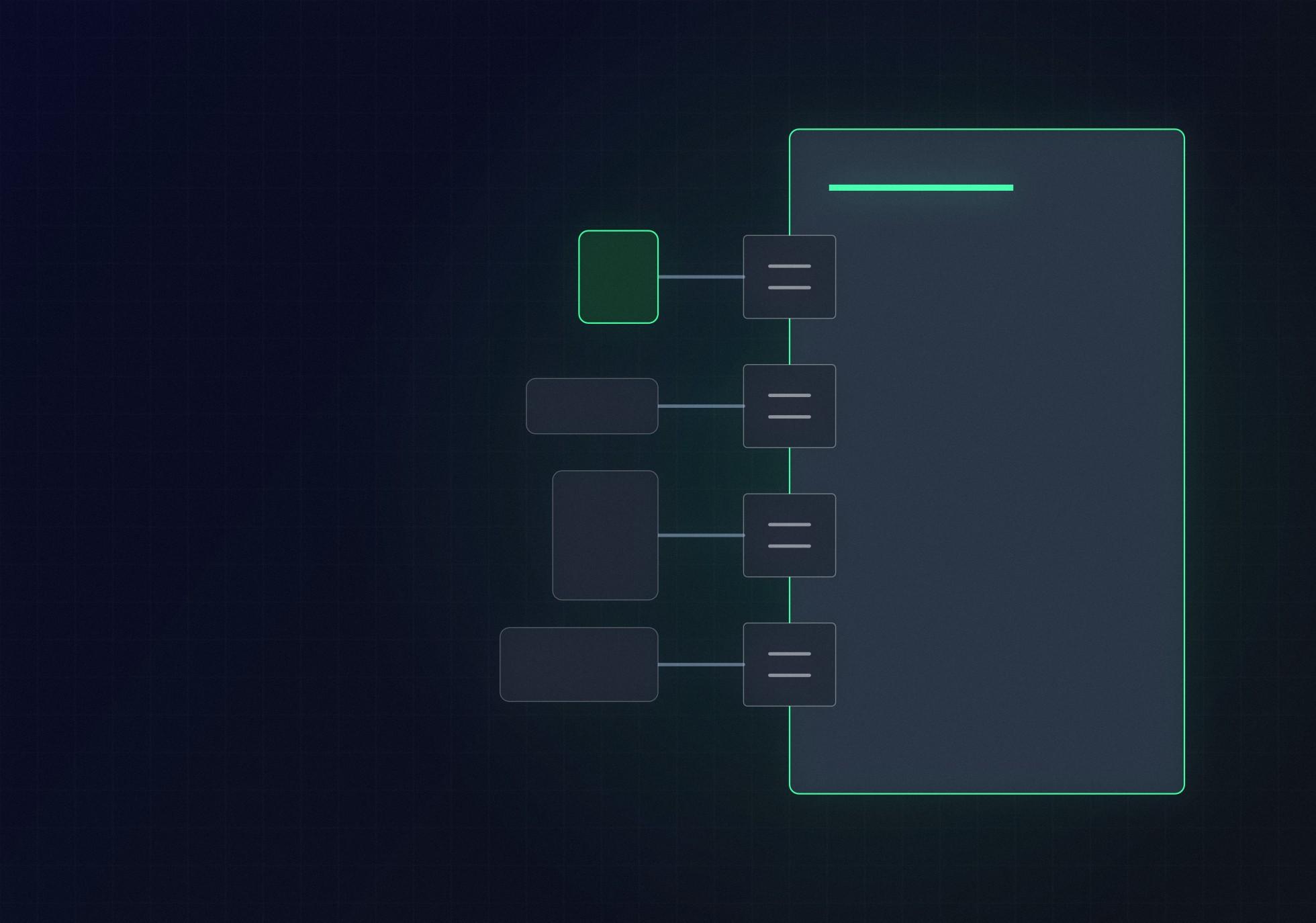
A central core provides the platform — identities, gateway, registry, traces, spending caps — and the units build on it.
It is the model that works best in organisations with several business units, for an unromantic reason: it separates what must be the same from what may differ. How an agent authenticates must be identical across the house; the use case it solves need not be.
The split that tends to work:
| The centre provides | The units decide |
|---|---|
| Agent identity and scope | Which agents to build |
| Gateway and tool registry | Which tools they need |
| Traces, cost and alerts | Their business thresholds |
| Templates and evaluation criteria | Their evaluation set |
| The list of approved models | Which one to use from it |
How to choose
Two questions are enough:
- How many teams will build agents this year? One or two: centralised. More than five: hybrid. Pure federation only if those teams already operate their own systems in production today.
- What happens if a unit ignores the rule? If the answer is "we would find out at the next audit", the chosen model does not matter: the technical control that enforces it is missing.
The second question is what really separates actual governance from a governance document.
The mistake that repeats
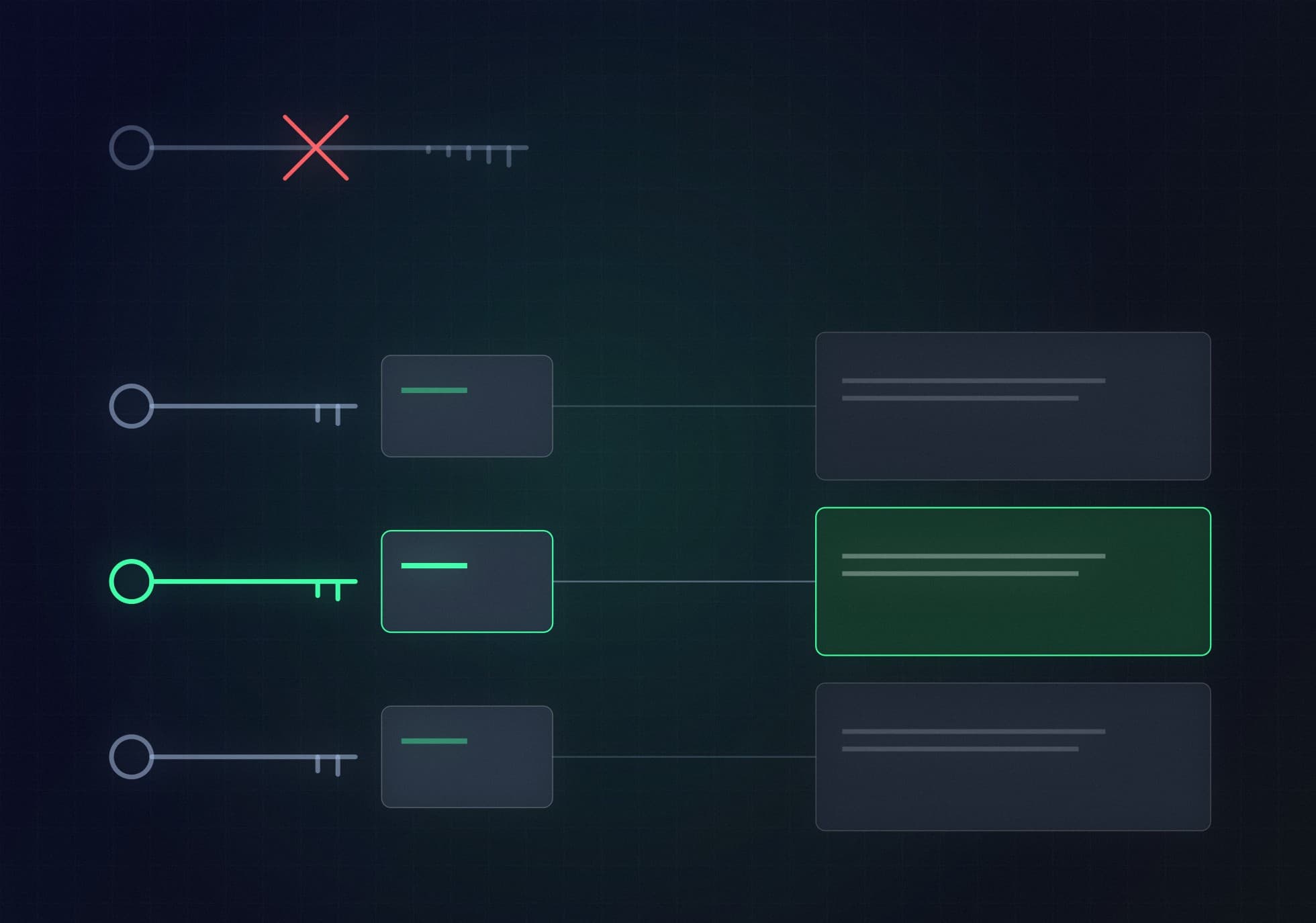
Choosing the model before having the platform. A thirty-page policy is drafted, approved in committee, and then it turns out there is no technical way to apply it: permissions are granted by hand, traces do not exist and the registry is a spreadsheet.
The order that works is the reverse: first the minimum controls — identity, gateway, traces — and then the policy, written on top of what the platform can already verify.
How Galde can help
We help choose the model based on the real size of the organisation and, above all, build the controls that make it enforceable. In Palantir Foundry, permissions and lineage are enforced by the platform itself, which is where a policy is best upheld. Without those controls, any of the three models is a statement of intent. It is part of our data governance in Palantir line of work.
Conclusion
The centralise-versus-federate debate is old and has repeated itself with data, with cloud and now with agents. The lesson is always the same: the model that works is the one the platform can enforce.
Everything else is a policy somebody signs and nobody applies.
Frequently asked questions
Which agent governance model is best?
It depends on how many teams will build. With one or two, centralised; with more than five, hybrid. Pure federation only works if those teams already operate their own production systems.
What does the core provide in a hybrid model?
Agent identity and scope, gateway and tool registry, traces, cost control, evaluation templates and the list of approved models. Units decide what to build on top.
Why does centralised governance fail?
Because it becomes a bottleneck. Units wait months, end up building on their own, and the result is the same sprawl you wanted to avoid, only invisible.
What has to exist before writing the policy?
The minimum controls: per-agent identity, a single pass-through point for calls, and traces. A policy the platform cannot verify does not get followed.