MCP, A2A and the agent gateway: interoperating without lock-in

Quick answer:
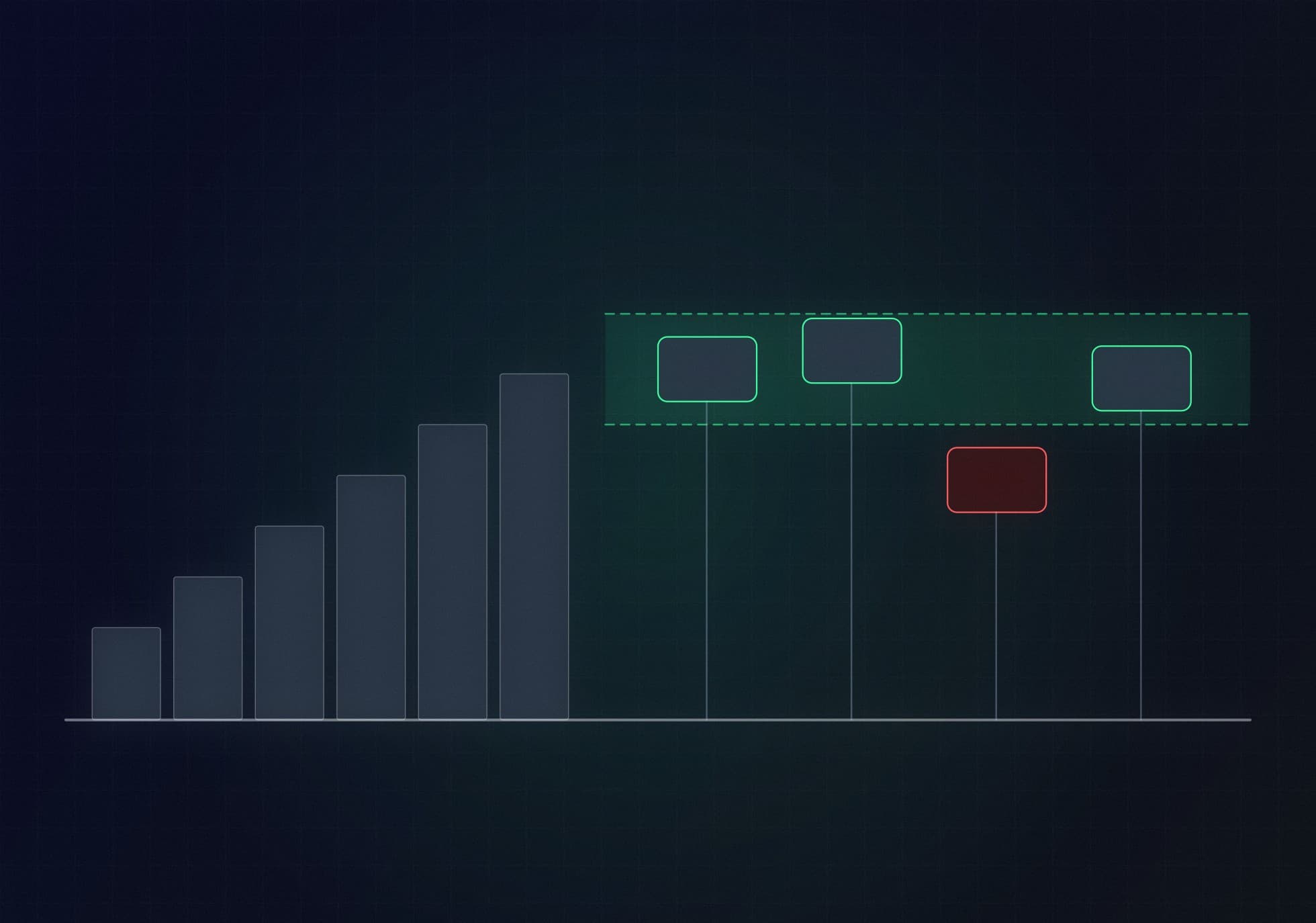
A standard protocol does not free you from dependency. It only moves the point where you can be dependent, and it is worth knowing where that lands.
In two years we have gone from integrating every tool by hand to having protocols that standardise how a model discovers and calls external capabilities. That is real progress. It is also a place where decisions get made quickly and paid for over years.
What each one solves
MCP normalises the conversation between a model and the tools or sources it can use: how available capabilities are advertised, how they are invoked and what they return. It replaces the bespoke connector with a common interface.
A2A addresses the next rung: how two agents talk to each other, delegate tasks and pass context. It is what makes it possible for a supplier's agent to talk to a customer's without a specific integration.
Neither is a product. They are agreements about the shape of the message, which is exactly what should be standard.
What they do not solve
Here is the part that gets told less:
- They do not solve permissions. The protocol says how a tool is called, not who may call it. That remains yours.
- They do not solve observability. What gets recorded on each call is your decision.
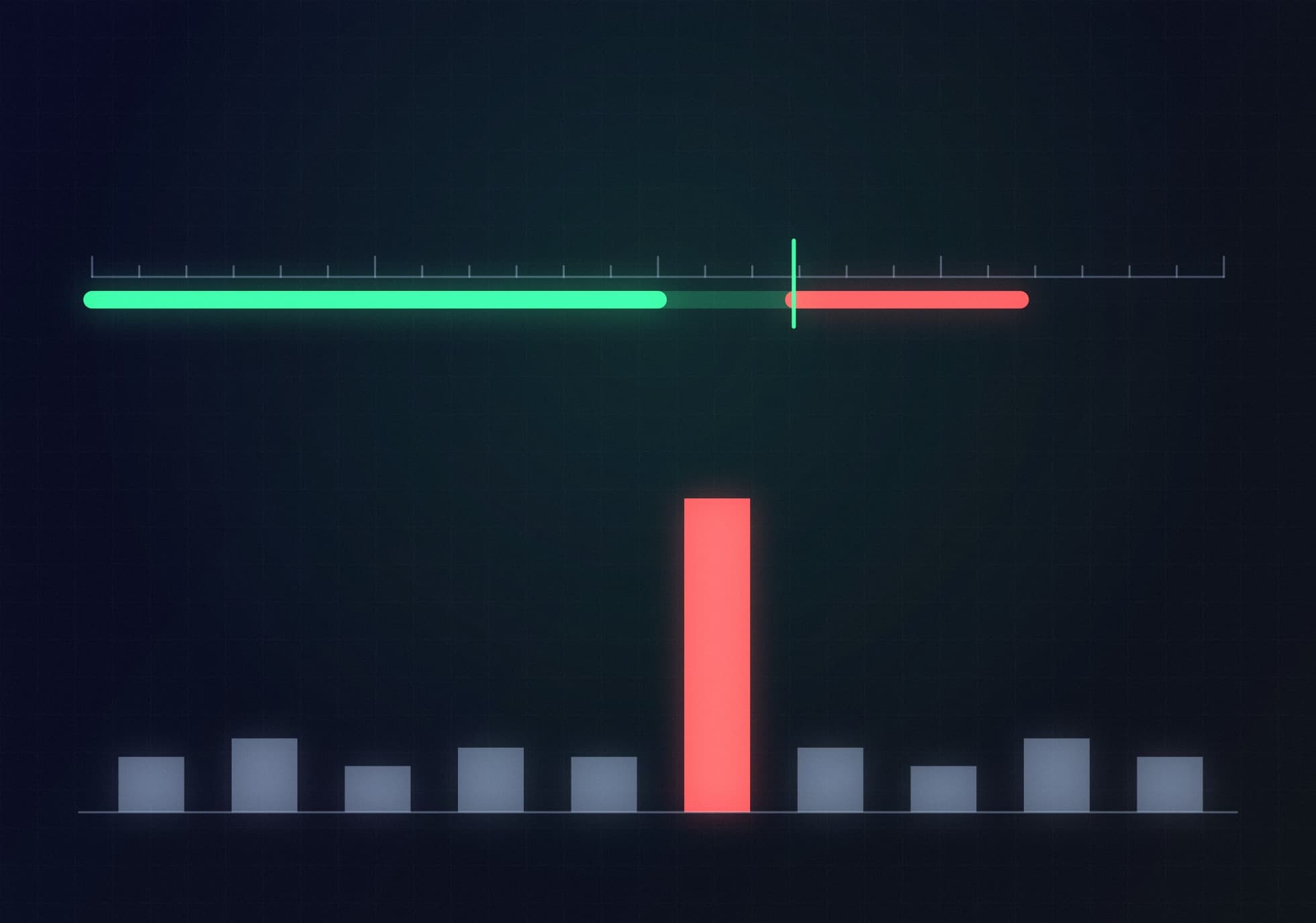
- They do not solve cost. A convenient protocol makes it easier for the agent to call more often, not less.
- They do not solve semantics. That the agent can invoke
getCustomerdoes not mean it knows what a customer is here. That comes from the ontology.
The gateway: where portability is decided
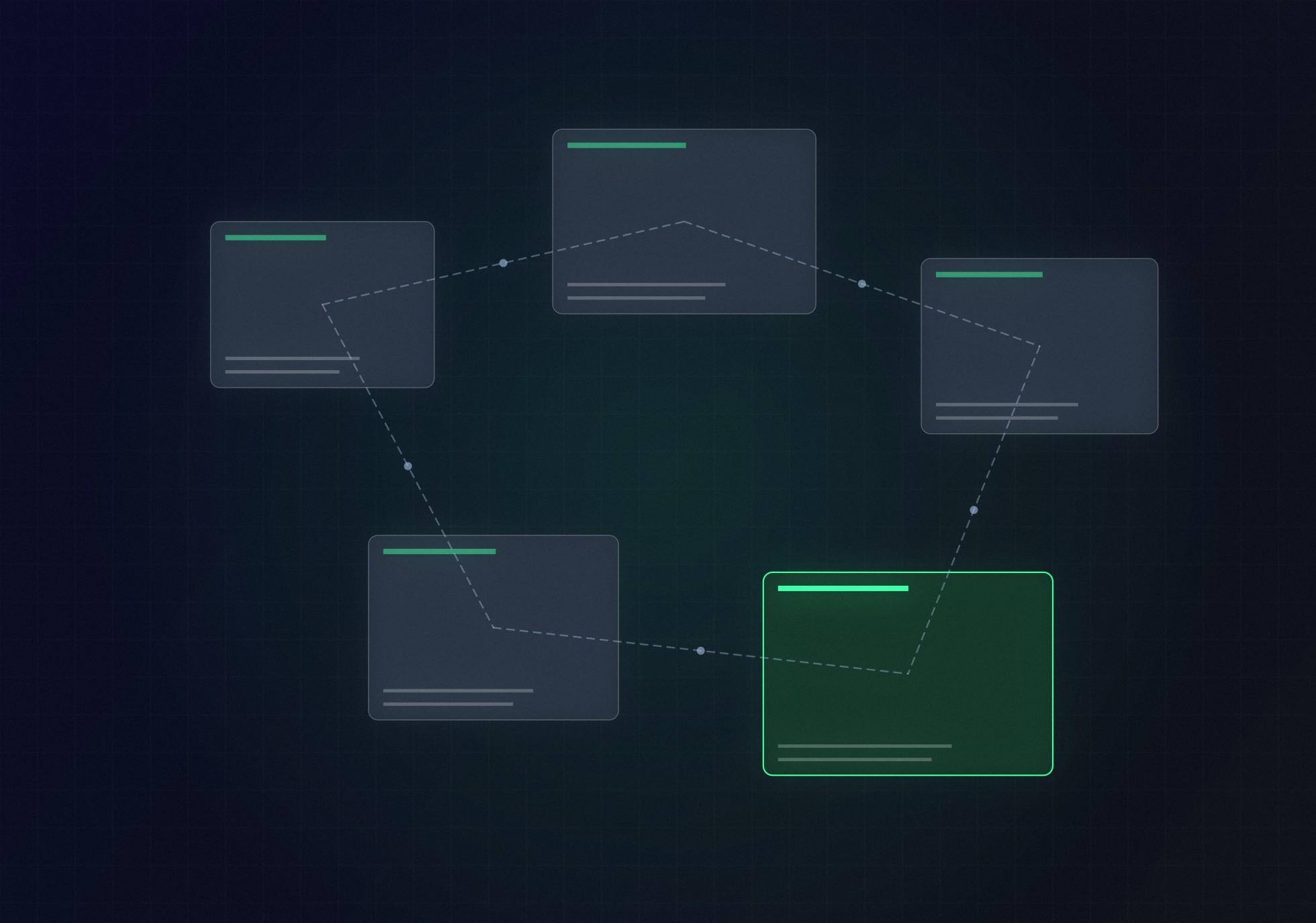
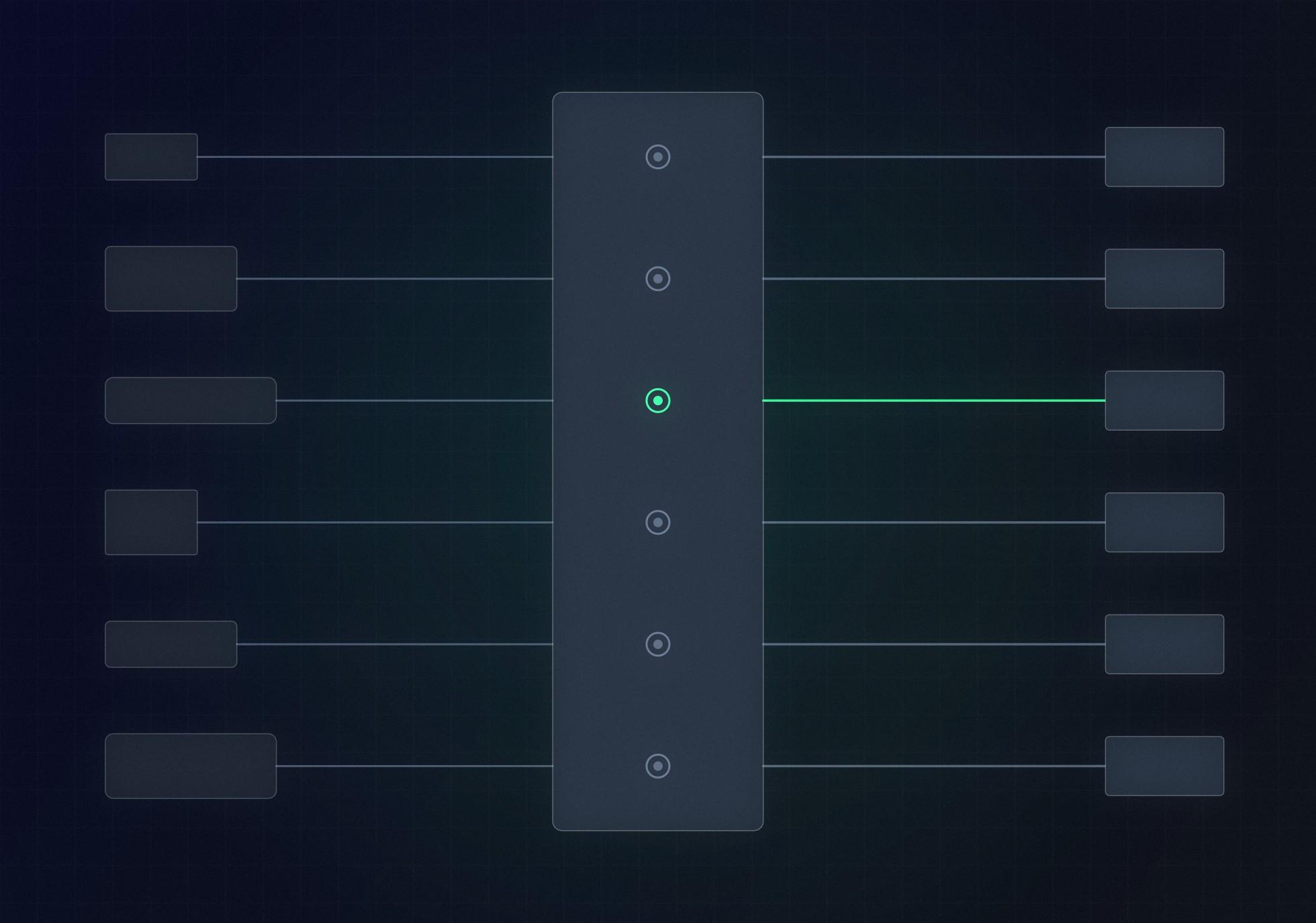
If every agent talks directly to every tool, even over a standard protocol, you end up with a mesh of connections that cannot be governed. The piece that prevents this is a gateway: a single point every call passes through.
That is where the following get applied, in one place:
- Authentication and scope by agent identity.
- A registry of which tools exist and which are approved.
- Traces and cost for every call, in the same format.
- Limits: how many calls, at what rate, with what spending cap.
It is also the point that decides whether you can change model or platform tomorrow. If the gateway is yours and speaks open protocols, swapping the engine is days of work. If the gateway belongs to your vendor, the portability the protocol promised evaporates precisely there.
It is the same reasoning we applied when analysing how to avoid lock-in with a platform such as Palantir: the question is not which technology you use, it is which piece you control.
How to decide without stalling
Three rules that have worked for us:
- Adopt the protocol, not the ecosystem. Using MCP does not oblige you to buy everything sold by whoever promotes it.
- Keep the gateway yours and thin. Not a huge product: a pass-through point with authentication, registry, traces and limits.
- One tool, one contract. Every exposed capability is documented the way a public API is documented, because that is what it is.
How Galde can help
We design the interoperability layer so the client can change model, vendor or platform without rebuilding their integrations. We do it from the practice of building on Palantir with the OSDK and MCP, not from theory.
Conclusion
Agent protocols are good news: they cut integration work and open the door to systems from different organisations collaborating. But standardising the message should not be confused with eliminating dependency.
Dependency is decided at the gateway. That piece should be yours.
Frequently asked questions
What is MCP?
A protocol that standardises how a model discovers and calls external tools and sources: how capabilities are advertised, how they are invoked and what they return. It replaces bespoke connectors with a common interface.
How is A2A different from MCP?
MCP connects a model to tools; A2A connects agents to each other so they can delegate tasks and pass context. They solve different rungs and usually coexist.
Does adopting a standard protocol remove vendor dependency?
No. It standardises the message, but permissions, observability, cost and semantics remain the organisation's responsibility. Real portability is decided by who controls the gateway.
What is an agent gateway?
A single point through which calls between agents and tools pass, where authentication, scope, tool registry, traces and consumption limits are applied.